


Sam Sheppard, Senior Communications and Campaigns Manager
25/03/2026 | Mythbusting

What happens to wind turbines at the end of their operational lives?
25 March 2026
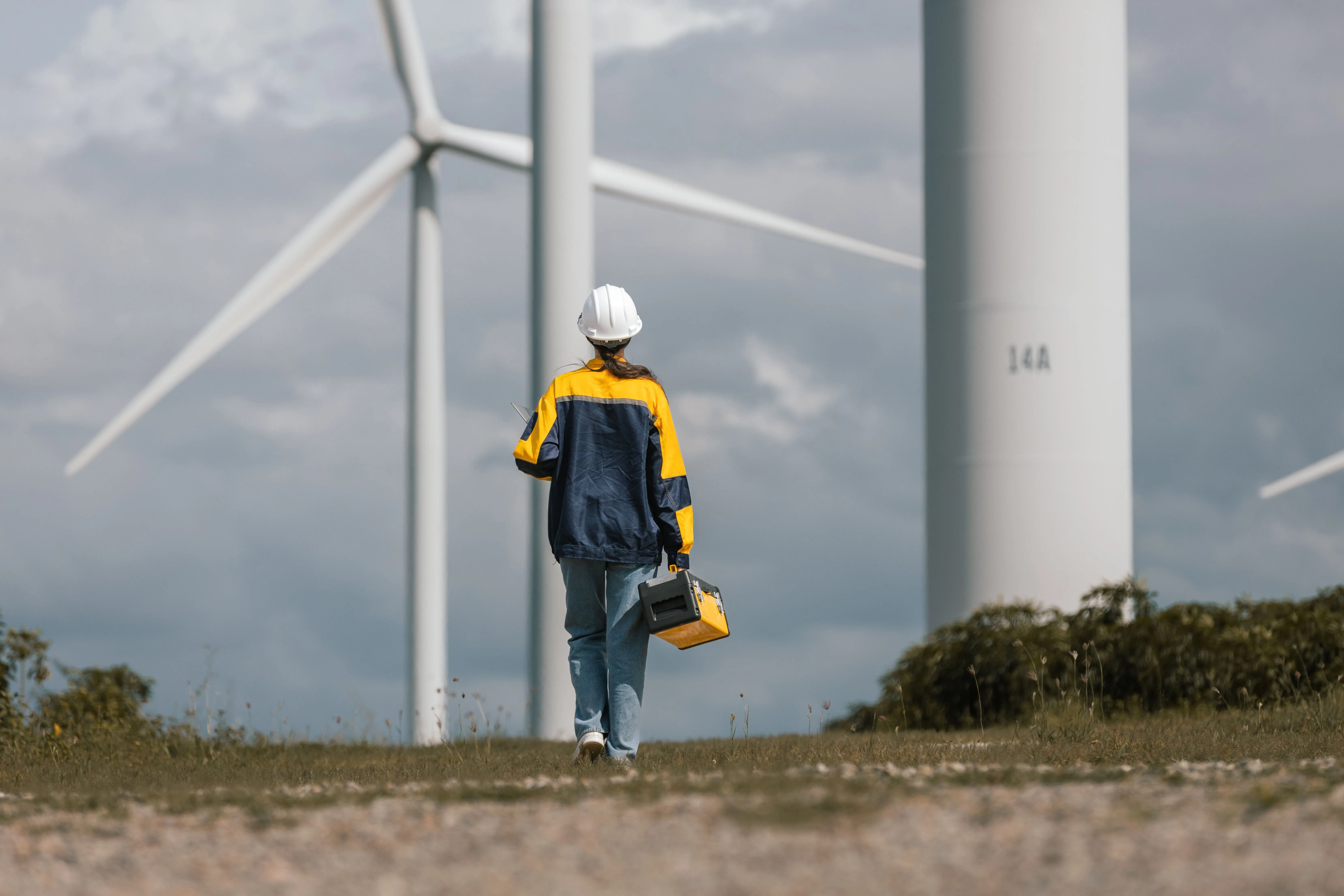
As the UK renewables sector continues to mature, an increasing number of first-generation wind farms are reaching the end of their operational lives, which typically stand somewhere between 20 and 30 years. The wind industry has clear aspirations for zero waste, with all assets either reused, repurposed, or recycled. However, commercial challenges to realising this remain.
Developers arriving at the late-life juncture have a number of options for their wind farms and turbines. An increasing number of wind farms are undergoing a ‘lifetime extension’ through the replacement of specific components, whilst we are also seeing an increasing number of wind farm sites being ‘repowered’ – that is, having their original turbines removed and replaced with modern, more efficient models on the same site. However, all wind farms will ultimately be decommissioned, with turbines, foundations, blades, and cables removed in line with planning and environmental requirements and the waste hierarchy.
But can this decommissioning process be informed by circular economy principles?
Maximising value from every component
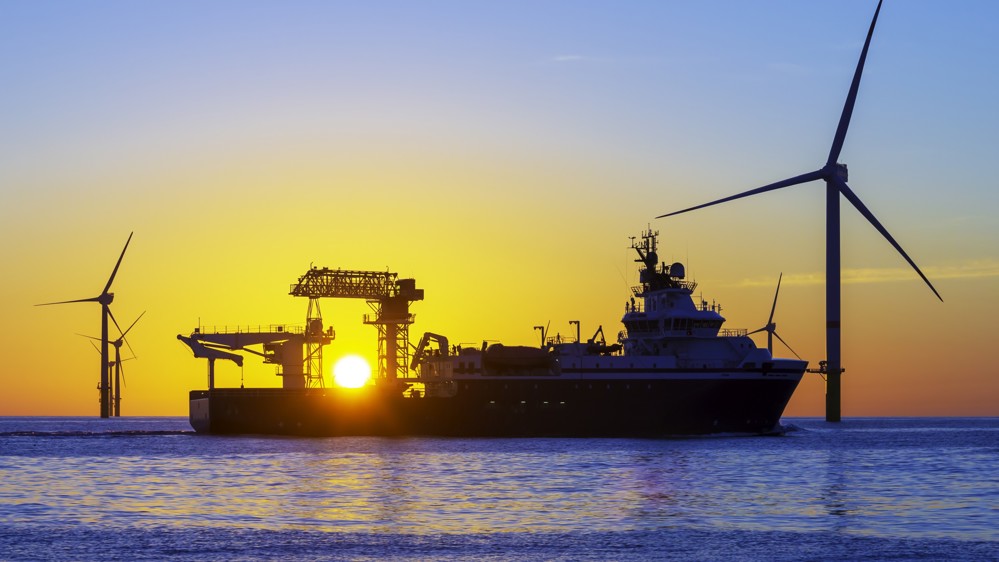
The good news is that most parts of a wind turbine can, in theory, be reused or recycled, and innovation is rapidly addressing the more challenging components. Both in the UK and across Europe, the industry is moving decisively towards a ‘circular economy model’, which sees materials kept in use for as long as possible, waste minimised, and new turbines designed with late-life in mind from the outset.
Up to 90% of a wind turbine’s total mass can theoretically be recycled or reused via established supply chains, largely due to the steel, copper, aluminium and concrete found in towers, foundations and nacelles. Alongside this, recent analysis has highlighted how detailed materials mapping at the decommissioning stage can unlock further value, predominantly by securing valuable rare earth metals and ensuring these are not scrapped.
Steel towers are among the most straightforward elements to process when a turbine reaches the end of its operational life. These are dismantled, cut into sections and sent to established recycling streams, where the steel can be melted down and reformed into new products. Given the carbon emissions stemming from new steel production, this process also delivers significant environmental benefits.
Similarly, onshore concrete foundations can be removed in full or cut down to an agreed depth below ground level. In many cases, the concrete is then crushed and reused as aggregate in construction projects, whilst copper cabling could also be recovered and recycled, retaining much of its original value.
Internally, within the turbine’s nacelle, the gearbox, generator, transformer and electronic system all lend themselves to remanufacturing. In some cases, these components can even be refurbished and redeployed on the same project following a life extension, further reducing the asset’s lifecycle emissions. This is reflective of a broader industry trend, where decommissioned assets should be viewed as banks of materials and opportunities for refurbishment, rather than liabilities.
What about the turbine blades?
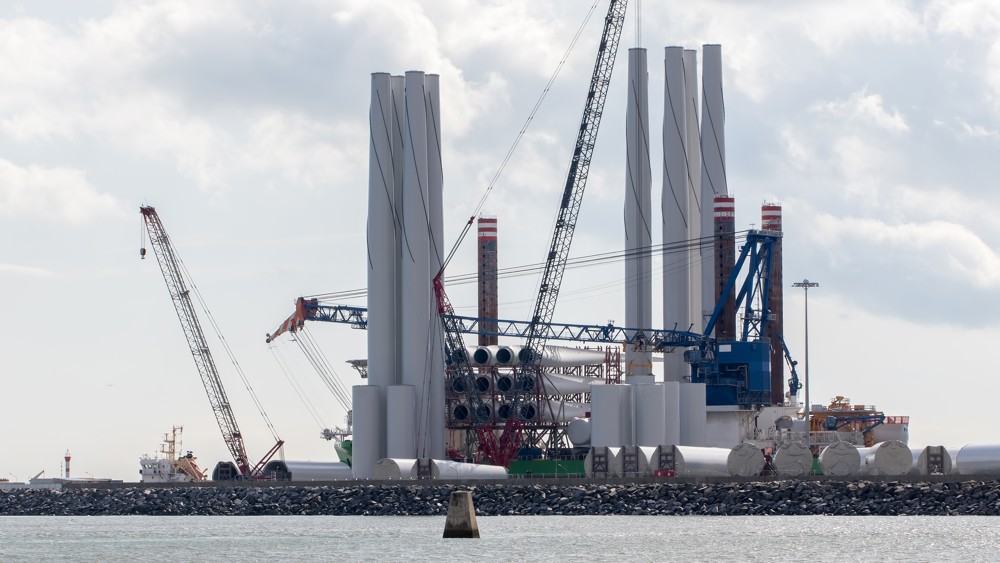
The actual blades of the wind turbine, which are typically made from glass fibre-reinforced composites, have historically been the most challenging element to recycle. Designed with strength and durability in mind, their structure makes them difficult to break down into reusable materials, whilst their diversity in terms of size and geometry poses further challenges.
However, this is rapidly changing as the industry consciously moves away from the hazardous practice of depositing materials at landfill sites. In fact, landfill bans on decommissioned blades are now either in place or planned in several European countries, which is accelerating innovation through a range of emerging technical pathways:
- Repurposing, where blades are given a ‘second life’ as parts of products or public structures, taking advantage of their huge strength and durability.
- Mechanical recycling, where blades are shredded and processed into filler material for construction products.
- Thermal processes, such as pyrolysis, which are used to reclaim fibres and resins.
- Chemical recycling techniques that also separate fibres and resins, including processes that offer the potential to reclaim resin constituents for reuse.
Research on greener glass fibre systems and blade recycling technologies highlights the potential to recover high-quality fibres and reduce reliance on ‘virgin’ materials that have just been manufactured, as exemplified by Plaswire’s RX Polymer, which is a sustainable, recycled composite material created from wind turbine blades to act as a durable, eco-friendly alternative to virgin plastics, wood, and pre-cast concrete. Alongside this, studies on the value of waste emphasise that composites should be viewed as ‘feedstock’ for new manufacturing rather than a disposal challenge.
Innovations
Industry-led initiatives are also delivering commercial breakthroughs, with Siemens Gamesa developing RecyclableBlade, a new product that allows resin constituents to be valorised at late-life, thereby enabling materials to be reused in new applications. The company has also set wider environmental targets focused on reducing waste and increasing circularity across its operations, whilst Vestas has committed to producing zero-waste wind turbines by 2040, alongside eliminating landfill for blades and increasing material recovery rates.
Collaborative projects such as DecomBlades are also demonstrating full-scale blade recycling solutions, whilst the ZEBRA consortium has unveiled successive generations of recyclable thermoplastic blades designed specifically for circularity. There is also notable innovation regarding wind turbine towers, with Vestas pioneering the use of low emission ‘green’ steel produced with high levels of recycled scrap via electric furnaces powered by renewable energy.
These examples illustrate how the most important shift is happening at the design stage, where manufacturers are increasingly adopting circular design principles by selecting materials that facilitate recycling and enable a higher value late-life decades into the future. Research institutions, industry bodies and manufacturers have also demonstrated how design for disassembly, improved traceability of materials, and digital product passports could all enhance recovery outcomes and help capture the maximum value of an asset at the late-life stage.
Conclusion
In a growing number of cases, the decommissioning of a wind farm does not mean the end of a turbine’s life. Instead, individual components can be reused, repurposed, or replaced, with most turbine components already recyclable, and rapid innovation addressing the remaining barriers.
When projects are repowered, with older turbines replaced by more powerful models. This can serve to reduce the number of foundations and towers required at a given site, and can almost triple a site’s generation capacity. It can also enable selective reuse of infrastructure, including valuable grid connections, further reducing material demand and environmental disruption.
Whilst it’s important to note that the wind industry is still relatively nascent, when compared to many other infrastructure sectors, strong collaboration between manufacturers, developers, researchers and policymakers will ensure that decommissioned wind turbines are not dismissed as waste, but rather seen increasingly as valuable sources of steel, copper, composites and critical minerals.
It will now be important to build the business case, particularly for remanufacturing and recycling facilities. Both the Scottish and UK Governments have committed to accelerating the transition to a circular economy for the wind industry, with the latter expected to publish a Circular Economy Strategy later this year to help reduce dependence on international supply chains for critical components.
Large-scale decommissioning may only be just beginning in some markets, but the direction of travel is clear. As the UK builds out new capacity in pursuit of net zero, ensuring that today’s turbines become tomorrow’s resources will be central to delivering a truly circular energy system.