


Luke Clark, Head of Floating and Deepwater Wind
11/11/2025 | Floating wind
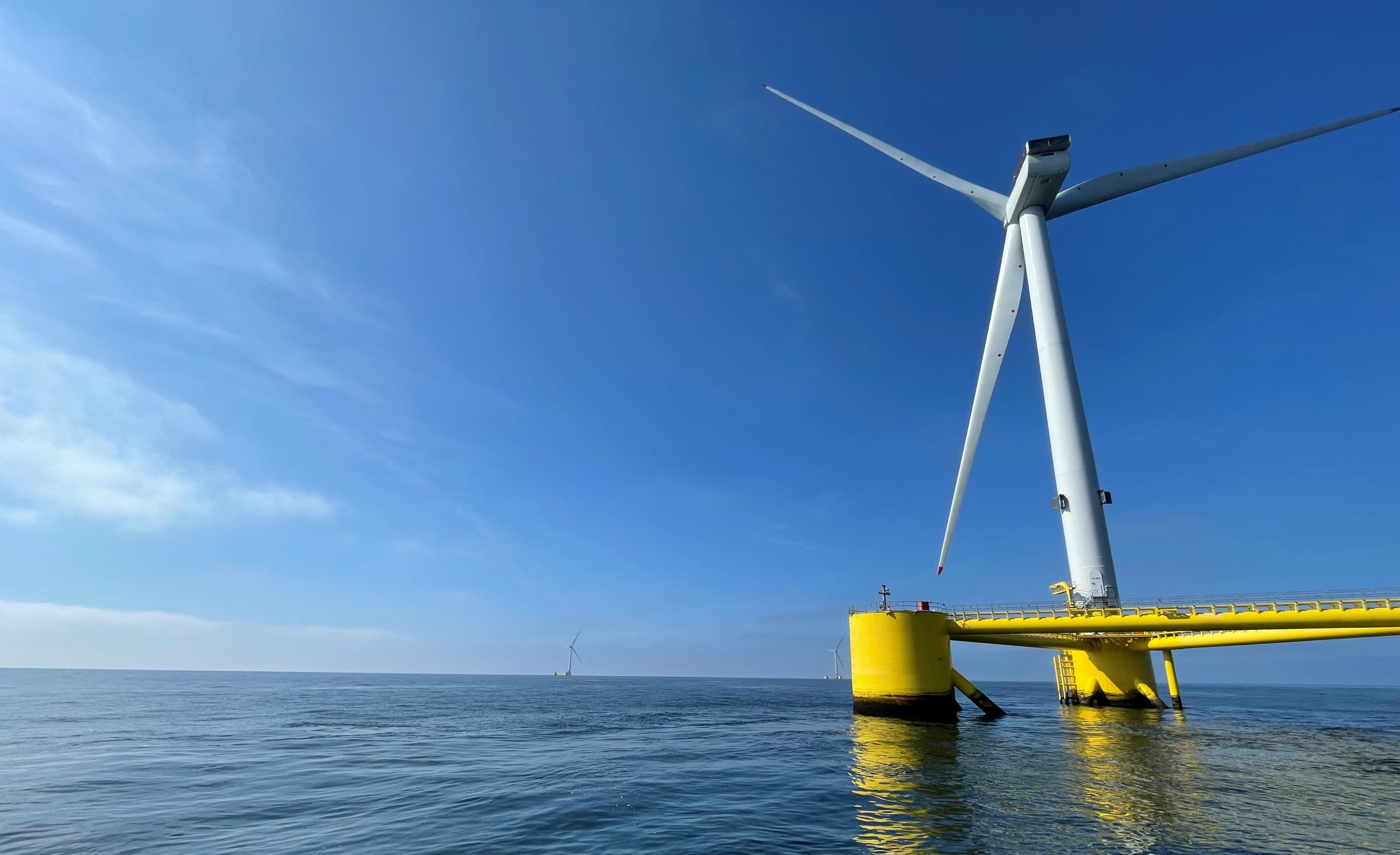
Are we fumbling the opportunity to lead the world in floating offshore wind?
11 November 2025
The UK has a huge strategic opportunity in floating offshore wind, but the upcoming clean power auction risks under-delivering on the opportunity at precisely the time we need strategic investment to prime the supply chain and build confidence.
The low level of budget set for the auction is likely to mean less than half of the projects in the running will win contracts, adding only a dozen new floating turbines, compared to last year’s auction which secured double that. Early projects unlock supply chain investment, cut costs, and create jobs. The Government is right to keep bills in mind and push down energy costs, but going slow on floating wind risks decelerating the learning curve and delaying cost reductions.
The UK has built our global leadership in offshore wind in the shallower seas of the southern North Sea. But sites in deeper waters further away from shore offer stronger, more consistent winds, meaning more productive wind farms. The UK’s deepwater wind resource could theoretically meet the UK’s future electricity needs four times over. But we’re starting from a low base - of the nearly 3,000 turbines operating in UK waters, just 10 are floating.
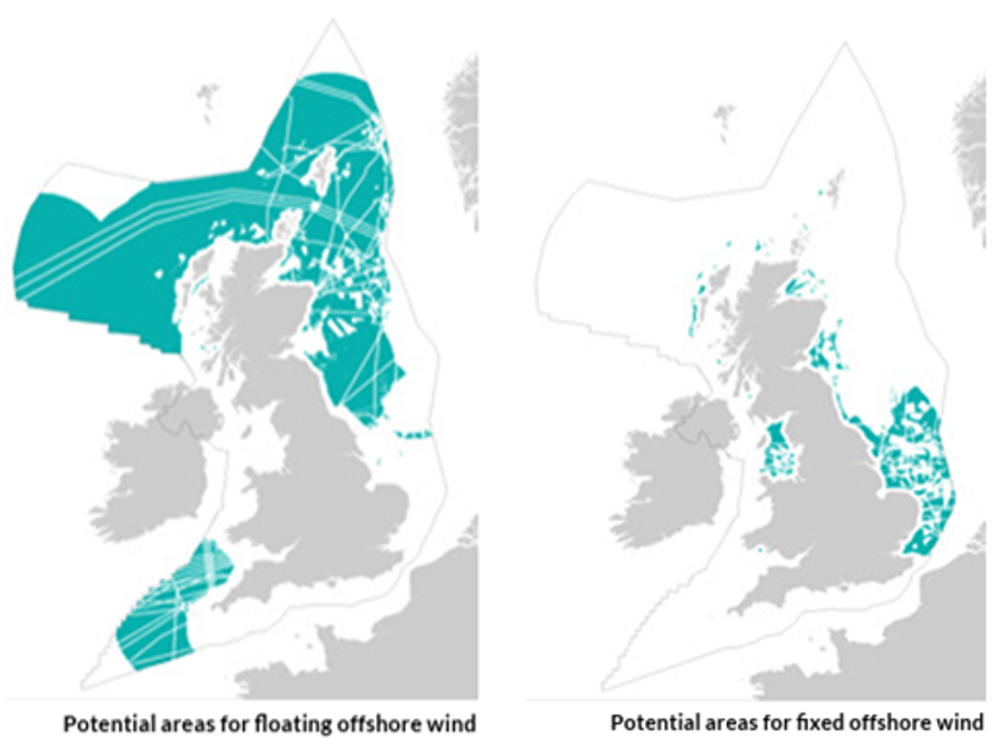
The UK has a world-leading pipeline of sites earmarked for floating wind and the immediate priority has to be strategic investment to secure a steady stream of projects coming through. The key tool to unlock this is the Government’s annual clean power auction of Contracts for Difference (CfDs), which earmarks specific support for floating wind as an innovative technology, separate to support for mature renewables like solar and onshore wind. For this year’s Allocation Round (AR7), there are five eligible projects that total c.460MW of capacity – or around 30 turbines.
The budget set for AR7, however, falls short of maximum ambition. Our analysis shows that the budget could realistically support 2 projects (c. 200MW), perhaps stretching to 3 projects (c.300MW) if costs were to be significantly lower than expected – which at this early stage of technology development is not likely or reasonable to expect. AR7 is therefore expected to add about a dozen or so floating turbines to the ten currently operating in UK waters, in marked contrast to last year’s auction (AR6) which secured double that amount.
The £180 million budget for AR7 equates to about £2 a year on an average household energy bill. In the current context the Government is, quite rightly, focused on consumer bills and the need to bring down costs for households while also maintaining investment in secure, domestic energy production. But an overly cautious approach to early investment risks slowing the pace of cost reduction, and it is imperative that we take a longer-term view on a sector that could create tens of thousands of new jobs across the UK.
This would build up confidence in the sector and get early supply chain investment flowing so we can build floating wind farms faster, and at a lower cost. The greater number of early projects we can build, the quicker we can de-risk investment in floating wind for major financial institutions like banks and pension funds. Reducing that investment risk reduces the cost of borrowing, which in turn reduces the price that consumers pay for the power generated by floating wind farms.
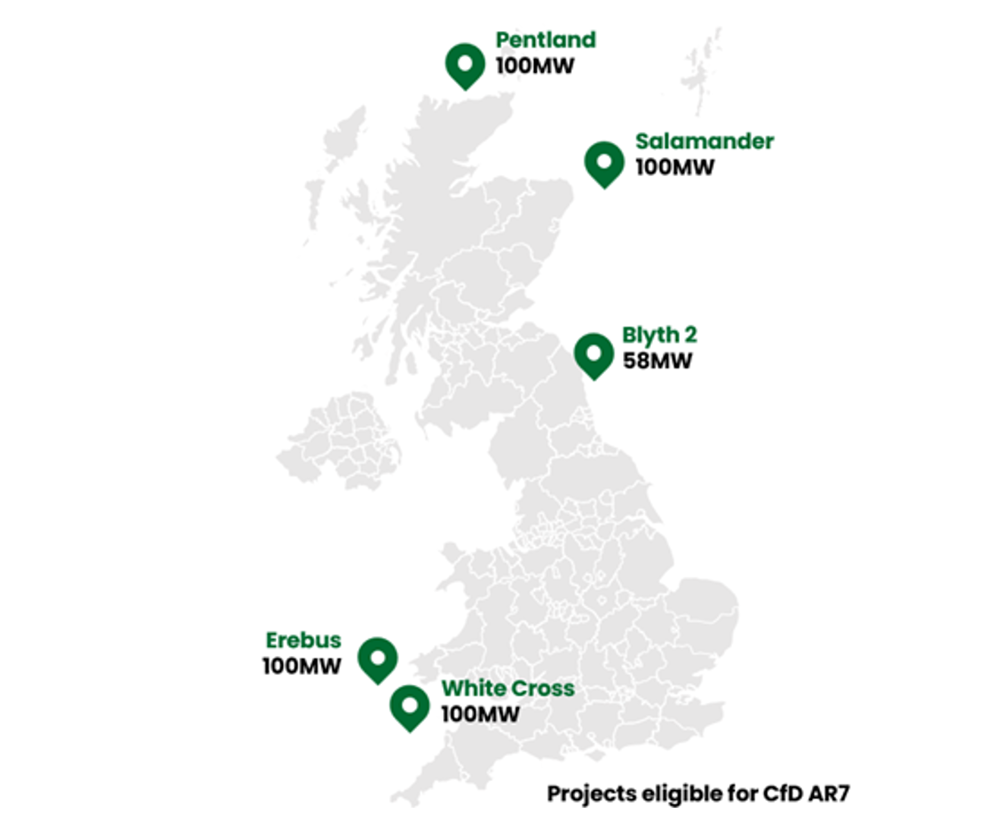
The spread of the test and demonstration scale projects eligible to bid into AR7 illustrates key opportunities to develop new industry to manufacture, install and operate floating wind farms – with a focus on Scotland and the Celtic Sea. Key ports like Cromarty Firth, Port Talbot and Ardresier have lined up investment support, including from Government and investment agencies, to develop industrial clusters, and they now need customers – in the form of floating wind projects – to ensure those investment plans can translate to jobs and factories on the ground.
Let's be clear, the power from these demonstration scale wind floating wind farms was never going to shift the dial on the Government's Clean Power 2030 targets. What this CfD round represents for floating wind is early, strategic investment to accelerate cost reduction and build industrial capability. It’s about investing now to secure future growth and long-term energy security.
Industry and Government are committed to maximising ambition and opportunity in the UK's floating wind sector. But looking at the numbers, AR7 will not deliver maximum ambition.
Related content
Published by:
Luke Clark
Head of Floating and Deepwater Wind
Luke leads RenewableUK's work on the development of floating and deepwater offshore wind. Prior to this, Luke led delivery of the offshore wind Industrial Growth Plan, coordinating across partners and stakeholders to set out the shared vision for growing the UK supply chain and technology leadership. Luke has held a number of roles within RenewableUK including Director of Strategic Communications and other roles focused on engagement, policy and stakeholder relations. Luke has worked in renewables for over 10 years and previously worked in Parliament and a Westminster research agency.